How to Recycle and Reuse Bulk Bags
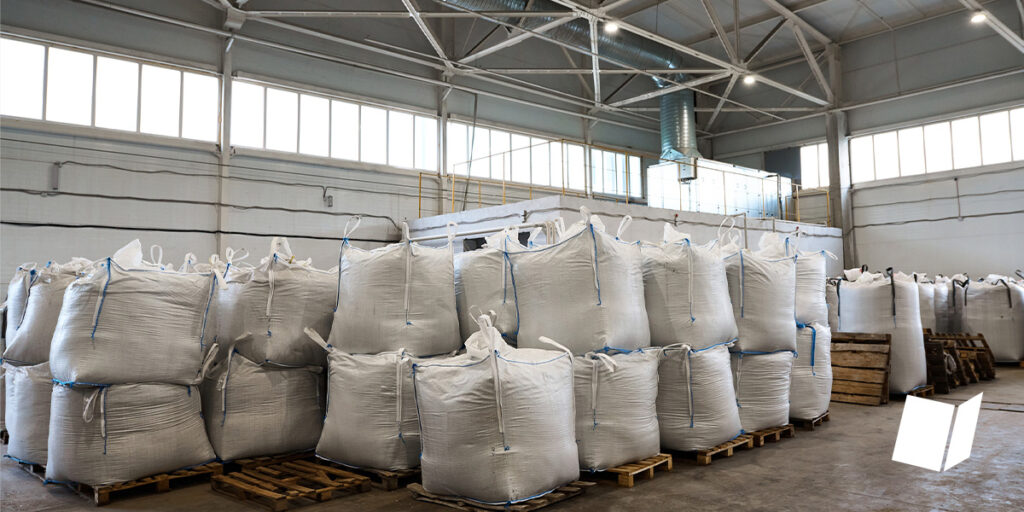
Bulk bags are integral to everyday operations for teams that move and store materials, used to transport bulk products and simplify handling across your facilities and jobsites.
These bags should also be a foundation of your resource planning. They arrive full, return empty and cycle through repeated use, which creates an opportunity to recover more value from each unit. Most bulk bags are recyclable, and when managed properly, they can support operational efficiency.
Takeaways:
- Bulk bags are durable, reusable and recyclable.
- Woven polypropylene — No. 5 plastic — is a valuable commodity that shouldn’t end up in landfills.
- Reusing bags lowers operational costs and reduces environmental impact.
- Professional reclamation ensures bags are clean and safe to reuse.
What Are Bulk Bags?
Bulk bags, also called flexible intermediate bulk containers, are large industrial containers made from flexible woven polypropylene fabric, providing a sturdy yet adaptable structure. They carry substantial weight while remaining relatively lightweight, which makes them efficient for lifting, stacking and shipping.
Teams use bulk bags across multiple industries.
- Mining: Miners rely on FIBCs to contain minerals and rubble. The woven polypropylene fabric resists abrasion from granular materials, and reinforced lifting loops support repeated mechanical handling.
- Agriculture: Farmers and agricultural producers use bulk bags to store and transport seeds, animal feed, fertilizers and grains. They allow you to combine products into manageable units that you can lift easily with material handlers. The woven fabric promotes airflow, and you can add liners for moisture control.
- Construction: Contractors and site managers use bulk bags to move sand, gravel, cement and demolition debris across jobsites. Bulk bags integrate with most material handling equipment, enabling teams to accurately move heavy materials horizontally or vertically.
- Shipping and warehousing: Distributors and warehouse managers use FIBCs to consolidate granular materials and streamline loading and unloading. In warehouse settings, you can fill a baffle-style bulk bag to maintain a square shape for stacking stability.
- Lifting and transportation: Bulk bags integrate with lifting loops that enable forklifts and cranes to safely move heavy loads. Because manufacturers sew lifting loops into reinforced seams, the load transfers through the entire bag’s structure.
What Are Bulk Bags Made Of?
The polypropylene that comprises bulk bags is a No. 5 plastic. A woven structure gives bulk bags the following qualities.
- High tensile strength: Woven polypropylene fabric supports working loads of 2,000 to 4,000 pounds. You can combine bulk materials into fewer containers while maintaining stability during lifting.
- Chemical leaching resistance: Polypropylene resists many acids and alkalis. If you handle fertilizers, minerals or resins, you can count on this chemical stability to perform consistently across multiple cycles.
- Fully recyclable material: It’s possible to melt, process and convert polypropylene into new plastic products. When a bag reaches the end of its usable life, the woven fabric can enter the recycling stream, where workers will compound it into resin for manufacturing applications.
Bulk bags also come in various shapes and configurations to match how you fill and store products.
- Baffle bulk bags include interior panels sewn into the corners to maintain a square shape when filled. This shape improves stacking stability and helps maximize storage space.
- Duffle-top bulk bags feature a design that opens wide across the entire top. Once filled, you can close the top and secure the contents during storage or transport.
- Spout-top bulk bags have a filling spout for controlled loading of granular materials. This design works well for systems that require precise material flow.
- Open-top bulk bags allow for manual filling. You can use them when prioritizing speed and simplicity.
The Benefits of Using and Reusing Bulk Bags
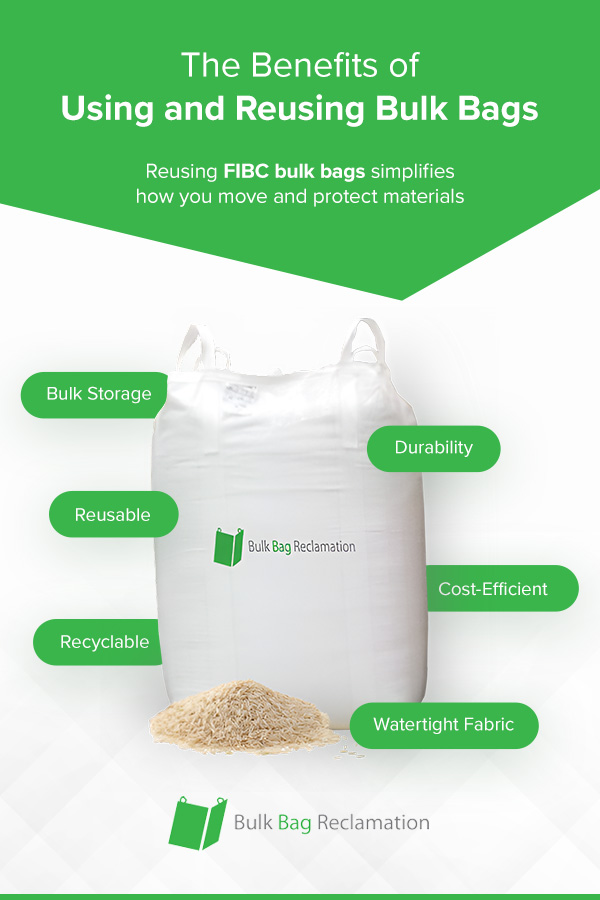
1. Bulk Storage
Many bulk bags hold 4,000 pounds or more of material, letting you consolidate large quantities of product into a few containers for simpler handling.
Your team can fill, lift and position material using forklifts or cranes in fewer movements. In warehouses, you might experience better vertical stacking, while in processing facilities, it means smoother material flow and fewer transfer steps.
2. Durability
Bulk bags’ woven design allows for even weight distribution across the bag body, and reinforced lifting loops anchor the load during handling.
Durability supports repeated mechanical movement by lifting equipment. If you operate in material-handling sectors, that endurance can result in structural reliability.
3. Watertight Fabric
Many bulk bags feature inner liners to protect materials from moisture exposure. If your facility experiences seasonal weather changes or fluctuating humidity levels, you can use these bags to maintain material quality during storage and shipping.
4. Reusable
Reuse changes the economics of packaging. Because bulk bags are so durable, you can repurpose them multiple times instead of purchasing new containers for every shipment. Your team can plan for procurement more efficiently when they have a consistent supply of packaging materials.
5. Recyclable
Bulk bags retain value, even after reaching the end of their usable life. Recyclers can shred and process their material into resin for new plastic products.
FIBC recycling supports resource efficiency and contributes to sustainability initiatives within your organization. It also reduces the volume of industrial packaging entering disposal systems.
6. Cost-Efficient
High-capacity bulk bags are a more cost-efficient solution than single-use alternatives because they are durable, reusable and recyclable.
You can improve operational efficiency through easier handling and storage, reduce packaging spend through reuse and lower disposal costs through recycling.
How to Reuse Bulk Bags
If you plan to reuse bulk bags, you should be aware that not every FIBC can withstand multiple uses. Look at each bag’s safe working load, or its maximum safe carrying capacity expressed in pounds. For example, a 5.1 rating typically indicates a single-use bag, while a 6.1 rating can tolerate multiple uses under specific conditions.
For proper FIBC bulk bag reuse, follow the processes outlined by the Flexible Intermediate Bulk Container Association.
Inspect
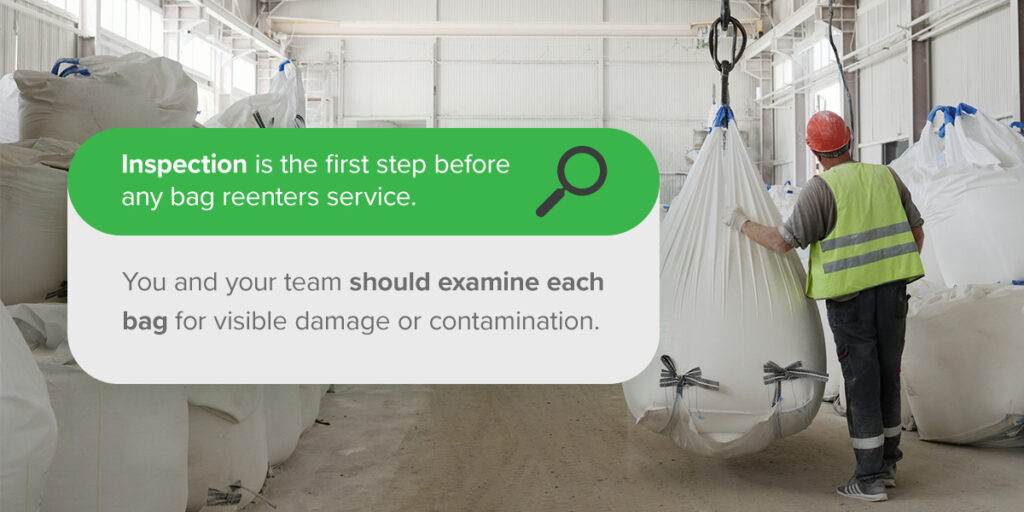 Inspection is the first step before any bag reenters service. You and your team should examine each bag for visible damage or contamination. Pay close attention to lifting loops, seams, fabric panels, discharge spouts and printed labels.
Remove a bag from the reuse stream if it has damaged straps, mold growth, moisture saturation, embedded debris or unreadable information on the fabric. You should also remove bags with compromised stitching or exposure to materials.
Clean
After inspection, remove all residual product from the interior and exterior surfaces. If the bag has a liner, inspect it and replace it as needed.
Cleaning standards may vary depending on what the bag previously held. You may also monitor static dust accumulation and ensure it stays within acceptable thresholds during handling.
Recondition
Reconditioning focuses on restoring the bag to perform as close as possible to its original specification. The process may involve replacing web ties, tags, cord locks, liners or labels. Minor fabric repairs can also take place as long as the bag’s framework remains intact.
Professional repair work is vital during this process. Reinforced stitching and proper material matching help the bag maintain its rated working capacity, which helps you improve the return on your initial investment.
Track
Tracking allows you to monitor the cycles a bag has completed and what materials it has transported. You can capture life cycle data by having teams record origin, usage duration, cleaning history and inspection results.
Test
Before returning a bag to active use, test it to assess if it still meets performance expectations. Operators may conduct visual inspections alongside randomized top-lift testing to verify lifting strength and seam integrity.
The testing frequency depends on the bag’s use, but high-volume or heavy-load environments may require more frequent verification.
Can You Upcycle Bulk Bags?
If a bag has reached the end of its reuse cycle but is still structurally intact, you can repurpose it to extend its useful life before it moves into the recovery process. Here are some industry-specific ways to upcycle bulk bags.
- Agriculture: Turn bulk bags into raised garden beds or weed barriers by cutting the top open, adding drainage material at the base and filling with soil or compost for planting. If you prefer weed suppression, you can cut the fabric into flat panels and drape them over prepared soil to prevent weeds from sprouting.
- Disaster relief: Fill bulk bags with sand or dirt to create temporary flood barriers or erosion control structures during heavy rain events. The lifting loops make positioning easier with equipment, and the woven fabric holds fill materials while allowing limited water seepage.
- General storage: You can repurpose bulk bags as covers for outdoor equipment or stored materials by cutting and flattening them into tarps or by stitching multiple bags together for more extensive coverage. Their water-resistant fabric blocks debris and light moisture.
- Composting: Convert a bulk bag into a compost bin by filling the bottom with sticks, then layering soil or old compost to introduce microorganisms before adding organic waste. The woven structure allows airflow, which supports aerobic decomposition.
The Bulk Bag Recycling Process
Most modern FIBCs are made almost entirely of plastic, making them well-suited for recovery. Expect the following stages when recycling bulk bags.
1. Collection and Grading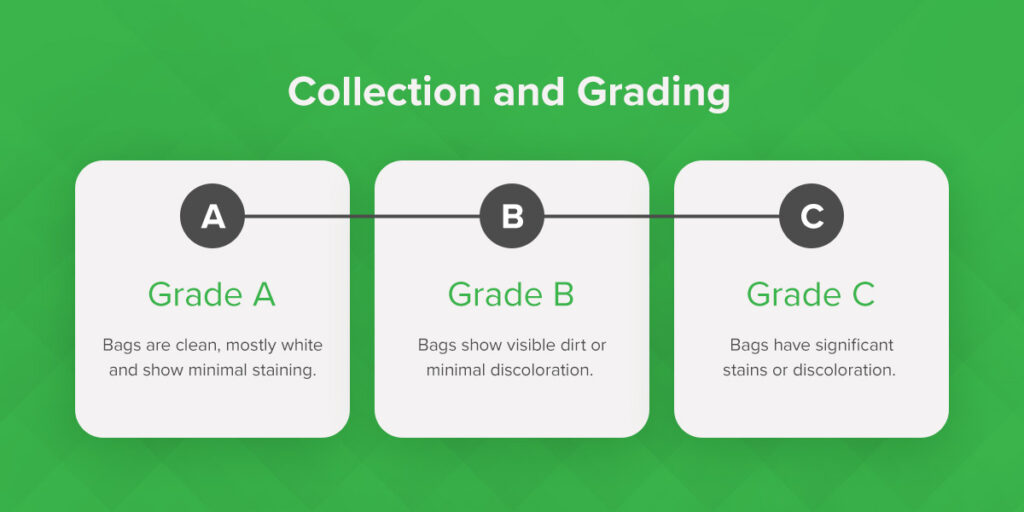
You can improve collection efficiency by compacting used bags into bales before shipping them to a recycling facility. Recycling programs sort bags into grades so facilities know what they are processing.
- Grade A bags are clean, mostly white and show minimal staining, except for standard-colored stitching or handles.
- Grade B bags show visible dirt or minimal discoloration.
- Grade C bags have significant stains or discoloration.
2. Sorting and Cleaning
Facilities sort the collected bags based on their previous contents and their material condition. Because bulk bags often store products ranging from sand and aggregates to fertilizers and industrial chemicals, cleaning is vital.
Facilities typically wash or treat the fabric to eliminate residue, then remove zippers, buttons, labels, liners or metal components.
3. Shredding
Cleaned and prepared bags move into shredding equipment, where the machine breaks woven fabric down into small flakes or strips. Shredding increases surface area and prepares the material for melting. It also makes downstream separation more efficient because smaller fragments process more consistently than full fabric sheets.
4. Separation
During separation, machinery sorts the shredded material by color, density, melting point and light absorption. The goal is to isolate pure polypropylene from contaminants and foreign particles.
5. Compounding
This final phase involves melting the cleaned and separated polypropylene flakes in an extruder at temperatures typically around 464° Fahrenheit. Recyclers filter, mix and form the molten plastic into pellets or granules.
Recyclers may also blend recycled polypropylene with virgin materials to strengthen consistency and performance. In some cases, the blend can include up to 50% virgin resin depending on product requirements. The resulting pellets become feedstock for new products, such as textiles or industrial goods.
The Importance of Recycling Woven Polypropylene
Woven polypropylene is one of the most widely used plastics in industrial packaging, and it’s fully recyclable. Unfortunately, only a small share of this material gets recovered in practice because many facilities lack the equipment to process it, and contamination from residues or mixed materials can complicate recovery.
Still, it’s worth the effort to recycle FIBC bulk bags to prevent them from slowly decomposing and releasing chemicals into the surrounding soil and groundwater.
- Landfill space: Recycling woven polypropylene keeps large volumes of industrial packaging out of landfills, where it would otherwise decompose and release chemicals into the surrounding environment. Recovering the material reduces waste buildup and supports cleaner material cycles.
- Energy conservation: Manufacturing polypropylene from virgin resin requires significant energy. Recycling and blending recovered polypropylene with new material reduces the need for full virgin production, and that process can lower energy consumption compared to producing plastic from raw resources. Diverting used bags for recycling contributes to measurable energy savings across the supply chain.
- Resource conservation: Polypropylene production depends on finite resources, including propane gas and petroleum-based feedstocks. Using recycled materials preserves them for future use.
Get Recycled FIBC Bulk Bags With Bulk Bag Reclamation
Help reduce landfill waste by purchasing your bulk bags used. Bulk Bag Reclamation maintains a full inventory of reconditioned bags ready for reuse across different industrial applications. With 25+ years in the industry, we can help you choose the right bulk bag for your needs.
Our team removes hazardous materials from bags, cleans them to residue standards, repairs when needed and inspects every unit before selling. We also let you review two free samples before you commit to a purchase.
Contact us today for more information.